Introduction
Across the Middle East, demand for professional duct cleaning services is rising as commercial buildings, healthcare facilities, and facilities management contracts prioritize indoor air quality. For entrepreneurs and small operators, starting a duct cleaning business is an accessible way to enter this market, provided the right equipment, training, and cost planning are in place from day one. This guide walks through what a realistic first year of investment looks like.
Why This Decision Matters
Getting the startup phase wrong is costly. Under-equipping a crew limits the contracts a business can bid on, while over-investing before securing steady work ties up capital unnecessarily. A clear plan for equipment, training, and cash flow determines how quickly a new operator can move from small jobs to recurring commercial contracts, and how competitively they can price against established players in the market.
What Equipment Is Typically Needed to Start?
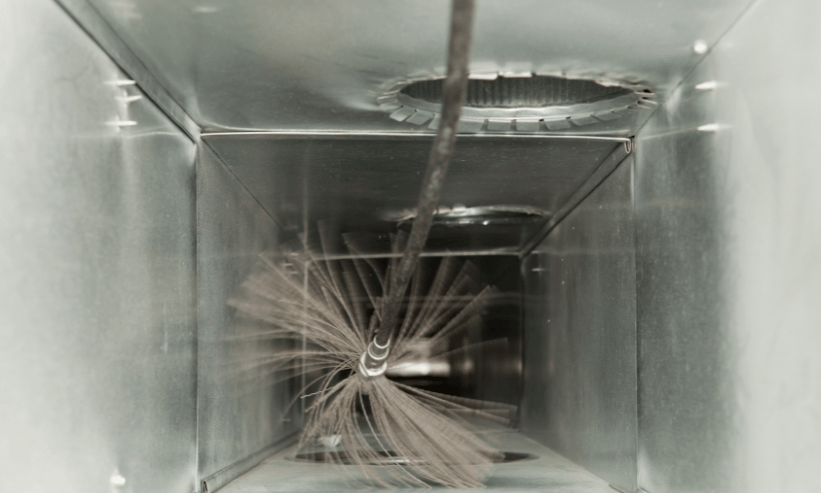
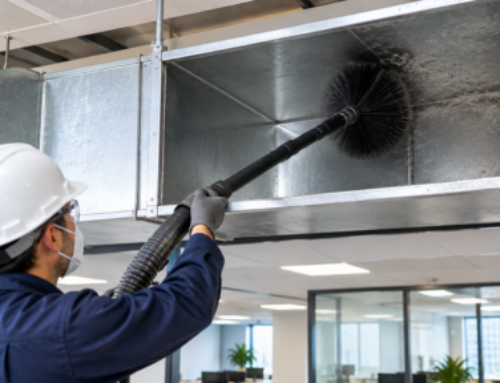
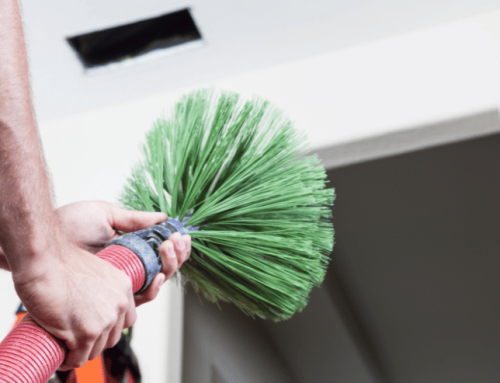
A working setup typically includes a duct cleaning machine or negative air machine for pressure and debris extraction, a HEPA vacuum for particulate capture, agitation tools, and supporting duct cleaning tools such as brushes, whips, and inspection cameras. New operators usually start with a single, versatile unit such as a portable duct cleaning machine rather than a full commercial fleet, expanding equipment only as contract volume and job complexity justify the added cost.
Startup Costs: Quick Breakdown
|
Cost Category |
Typical Consideration |
|
Core equipment (machine, vacuum, tools) |
Largest upfront cost; varies by capacity and whether bought or rented |
|
Training and certification |
Often bundled with an equipment purchase or rental agreement |
| Vehicle and transport |
Needed to move equipment between job sites |
| Insurance and business registration |
Typically required before bidding on commercial contracts |
|
Marketing and lead generation |
Ongoing cost that scales with business growth |
Training and Certification Requirements
Operating equipment safely and meeting client expectations requires proper training. Most reputable equipment suppliers offer hands-on courses covering machine operation, safety procedures, and industry standards, often bundled directly with an equipment purchase or rental agreement. Facilities management clients and commercial buyers increasingly expect contractors to demonstrate training credentials before awarding contracts, making this a credibility requirement rather than an optional extra.
Choosing Between Buying and Renting as You Start
New operators rarely need a full equipment set immediately. Renting a duct cleaning machine or HEPA vacuum for early jobs validates demand without tying up limited startup capital. Once contract volume becomes predictable, transitioning to ownership, often through financing or leasing arrangements, usually lowers the cost per job compared with ongoing rental.
Cost & ROI Considerations
Profitability depends on matching equipment investment to realistic contract volume, not optimistic projections. Estimating monthly job frequency against financing or rental payments helps new operators avoid overextending in the early months. Businesses that secure a small number of recurring commercial contracts before investing in a full fleet typically reach profitability faster than those that buy everything upfront and wait for demand to catch up.
Common Mistakes New Businesses Make
- Buying a full equipment fleet before securing steady contract work
- Skipping formal training to save on upfront costs
- Underpricing services without accounting for maintenance and equipment costs
- Neglecting insurance, certification, or documentation required for commercial contracts
Scaling Your Fleet Over Time
As contract volume grows, many operators add specialized equipment, such as fogging or sanitization units, for niche jobs rather than expanding the core fleet unnecessarily. This staged approach, starting lean and adding equipment as specific contract types justify it, keeps fixed costs aligned with actual revenue rather than anticipated growth, and reduces the risk of idle machinery sitting unused between jobs.
Building Credibility With Commercial Clients
Facilities management companies and commercial buyers across the Middle East typically favor contractors who can demonstrate trained technicians, documented equipment maintenance, and consistent service quality. At Air-Care, we see new operators who invest early in training and proper equipment care build the track record needed to move from small contracts to larger, recurring commercial accounts over time.
FAQs
How much does it cost to start a duct cleaning business?
Startup costs vary widely depending on equipment tier, but the largest expense is typically the core machine and vacuum setup, followed by training, transport, and business registration.
Do I need certification to operate duct cleaning equipment?
Formal training isn’t always legally mandatory, but most commercial clients and facilities management companies expect documented training before awarding contracts.
Should I buy or rent equipment when starting out?
Renting is usually the lower-risk option for validating demand. Buying becomes more cost-effective once contract volume is steady and predictable.
What is the fastest way to win commercial contracts as a new operator?
Demonstrating trained technicians, proper equipment maintenance, and documented safety procedures helps new businesses compete against established contractors.
How long before a new duct cleaning business becomes profitable?
This depends on contract volume and equipment costs, but operators who start with rented or entry-level equipment typically reach profitability faster than those who over-invest upfront.
Conclusion
Starting a duct cleaning business in the Middle East comes down to matching equipment and training investment to realistic contract volume. Operators who start lean, prioritize training, and scale equipment as demand grows are better positioned to build a sustainable, credible business than those who over-invest before securing steady work.
Get the Right Setup for Your New Business
Air-Care supports new and growing operators across the Middle East with Commercial Duct Cleaning Equipment for sale, flexible Equipment Rental options for early-stage businesses, Technical Training and certification, spare parts, and after-sales support. Contact Us to plan the right equipment and training package for your startup.
Leave A Comment