This guide is for duct cleaning contractors, HVAC service companies and facilities management operators working across the UAE, Saudi Arabia, Bahrain, Qatar, Oman and Kuwait. It explains how to match duct cleaning equipment to the building you are working in, and what to confirm about a machine before committing to it. If you are still setting up, that guide covers the wider picture.
Equipment selection is usually treated as a purchasing decision. It is closer to a bidding decision. What you own determines which contracts you can tender for, how long each job takes, and whether you can meet the standard a commercial client expects at handover. A contractor equipped for villa work cannot credibly bid a hospital.
Negative Air or Contact Cleaning
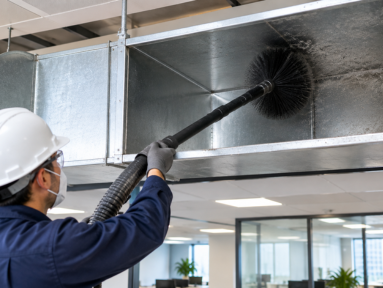
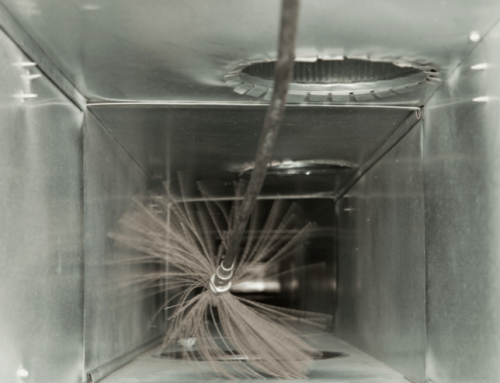
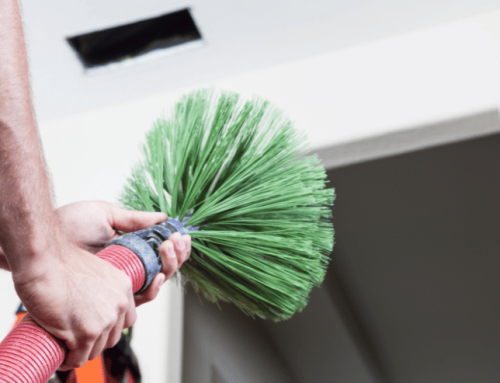
Air-Care manufactures duct cleaning equipment in two broad groups. A negative air machine places the system under continuous suction and draws debris out through a collection unit. Contact cleaning machines combine suction with a powered brush that scrubs the duct interior directly.
Most commercial duct cleaning uses both. Agitation loosens debris from duct surfaces, and negative pressure captures it before it enters occupied space. Equipment that delivers one without the other moves contamination rather than removing it. When assessing a duct cleaning machine, establish how it provides both functions and at what capacity.
Matching Equipment to the Building
Villas and light commercial. Shorter duct runs, accessible plant and low-rise layouts. A compact portable unit such as the TurboJet MAX II suits this profile. Access matters more than airflow capacity, so portability and setup time are the deciding factors.
Commercial towers and mixed-use. Longer runs, riser access and occupied floors change the requirement. You need sustained negative pressure over distance and the ability to work in sections. Remote-operated equipment such as the Duct Master III reaches inaccessible runs without extensive dismantling, which matters when working around tenants.
Healthcare, laboratories and data centres. Filtration rating becomes contractual here. A HEPA filter is rated at 99.97 percent efficiency against particles of 0.3 microns, and clients in these environments frequently specify it rather than leaving it to the contractor.
Three Things to Confirm Before Buying in the GCC
Electrical configuration. GCC supply is typically 220 to 240 volts at 50 hertz. Confirm any unit is supplied in the configuration that matches local supply rather than assuming the published specification applies.
Dust and ambient load. High ambient temperature and airborne dust shorten filter service intervals and increase duty on motors and seals. Plan replacement against conditions on site rather than a default schedule.
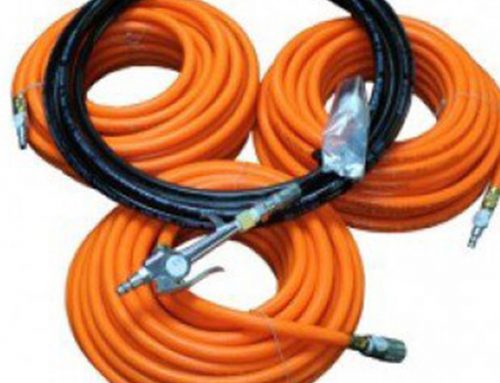
Regional spares. In our experience supplying operators across the GCC, equipment is taken out of service more often by a wait for a part than by a failure. Confirm that brushes, whips, hoses, filters and motor components are held regionally before committing.
Specification Checklist
- Building type, and any filtration rating the client has specified
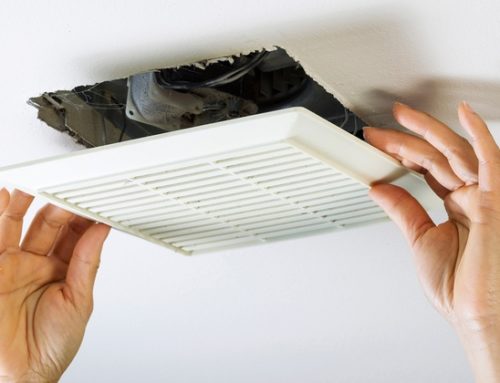
- Duct access: how much of the system is reachable without dismantling
- Supply configuration confirmed at 220 to 240 volts, 50 hertz
- Consumables and spares stocked regionally
- Whether operator training is needed to meet the client’s documentation requirements
- Whether job volume justifies purchase or rental
FAQs
Does one machine cover both residential and commercial duct cleaning?
A compact portable unit handles villa and light commercial work. Tower, healthcare and data centre contracts generally need higher capacity and specified filtration.
What is the difference between negative air and contact cleaning equipment?
A negative air machine extracts debris under continuous suction. Contact cleaning machines add a powered brush that scrubs duct surfaces directly as the debris is drawn out.
Is HEPA filtration always required?
Not for every job. Healthcare, laboratory and data centre clients commonly specify it in the tender, so confirm the requirement before quoting rather than after.
Why does electrical configuration matter when buying ac duct cleaning equipment?
GCC supply is typically 220 to 240 volts at 50 hertz. Confirm the unit is supplied to match local supply rather than relying on a transformer.
Contact Air-Care
Air-Care Middle East supplies, rents and services the full Air-Care range across the UAE, Saudi Arabia, Bahrain, Qatar, Oman and Kuwait, with filters and spares held regionally.
Contact us to specify the right configuration for the contracts you are bidding.
Leave A Comment