Introduction
Across the Middle East, duct cleaning contractors, facilities management companies, and HVAC providers face an early operational decision: purchase duct cleaning machines outright, or rent them on a project-by-project basis. Many contractors work with suppliers that offer both options, scaling equipment access to match contract demand rather than committing capital upfront. Getting this decision right shapes margins for years, not just for a single job.
Why This Decision Matters
Choosing incorrectly has real costs. Buying too early ties up cash in machinery that sits idle between jobs, while renting long-term on a predictable contract pipeline means paying a recurring premium that ownership would have avoided. The right structure protects margins, keeps crews equipped for actual contract volume, and prevents both under- and over-investing in commercial duct cleaning equipment. For growing operators, it also determines how quickly a business can take on new contracts without being held back by equipment availability.
What Equipment Is Typically Needed?
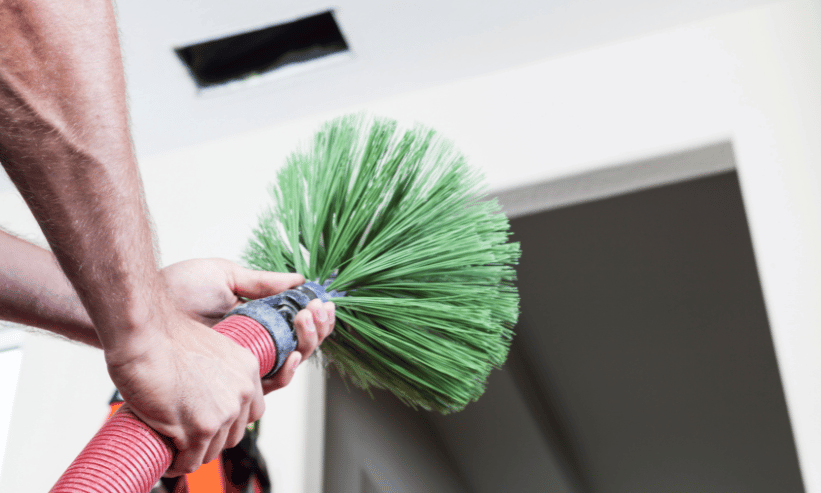
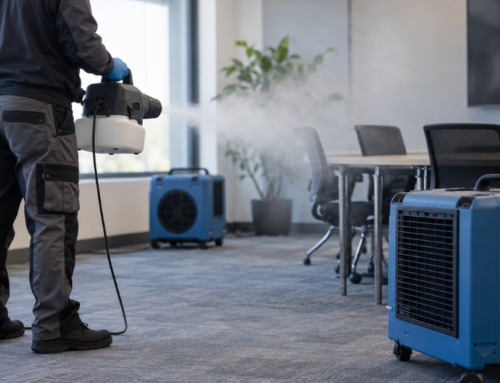
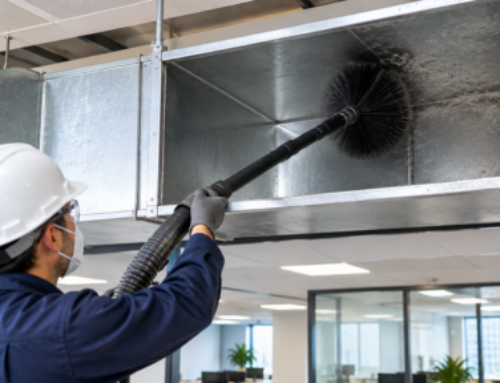
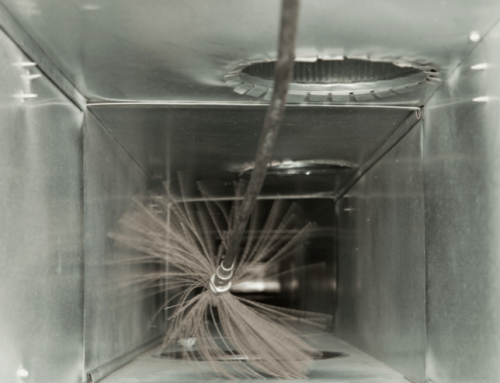
Most commercial contracts call for a similar core set: a duct cleaning machine or negative air machine for negative pressure and debris extraction, a HEPA vacuum for fine particulate capture, agitation devices, and supporting duct cleaning tools such as brushes, whips, and inspection cameras. Specialized contracts may also require fogging or sanitization units, which are used less frequently and are worth evaluating separately from core equipment purchased for everyday jobs.
Buying vs Renting: Quick Comparison
|
Factor |
Buying | Renting |
|
Upfront cost |
High |
Low |
|
Best for |
Steady, recurring contracts |
Occasional or seasonal jobs |
|
Maintenance |
Owner’s responsibility |
Supplier’s responsibility |
|
Flexibility |
Lower |
Higher |
| Cost per job long-term | Lower once past breakeven |
Higher over sustained use |
When Buying Makes Sense
Ownership is generally the stronger call for businesses with:
- A steady, recurring pipeline of commercial or industrial contracts
- Multiple crews that need professional duct cleaning equipment running in parallel
- A long-term plan to build out a fleet rather than manage per-project rentals
When Renting Makes Sense
Renting tends to make more sense when a company is:
- Piloting a new service line before committing capital to it
- Taking on a large one-off contract that exceeds current equipment capacity
- Covering a gap while owned equipment is under repair or servicing
- Handling infrequent, specialized jobs such as HVAC decontamination or sanitization
Cost & ROI Considerations
Estimate rental spend over a 12-month period based on expected job frequency, then compare that figure to the outright purchase price plus ongoing maintenance. If projected rental costs would exceed the purchase price within a year of normal usage, ownership is the stronger long-term investment; if utilization is lower or seasonal, renting keeps costs proportional to actual work performed. Financing or leasing arrangements let businesses own an air duct cleaning system while spreading its cost across incoming contract revenue rather than paying for it in full upfront.
Maintenance and Ownership Responsibilities
Owned equipment needs secure storage, scheduled servicing, and at least one technician trained to operate and maintain it correctly. Renting shifts these responsibilities to the equipment supplier, which matters most for smaller operators or businesses without a dedicated in-house maintenance function.
Hybrid Model Explained
It’s common for established B2B operators across the region to combine both approaches rather than choosing one. A core fleet of frequently used duct cleaning machines is purchased outright, while specialized or occasional-use equipment, such as negative air machines or fogging units, is rented for overflow or peak periods. At Air-Care, we regularly see businesses adopt exactly this hybrid strategy to balance fixed costs with flexibility.
Common Mistakes Businesses Make
- Purchasing equipment before confirming a steady contract pipeline
- Comparing sticker price alone, without factoring in storage, transport, or maintenance costs
- Renting long-term for recurring jobs that would be cheaper to own
- Skipping technician training, which leads to downtime and avoidable rework
FAQs
Is renting duct cleaning equipment cheaper than buying?
It depends on usage. Renting is usually cheaper for occasional or seasonal work; buying is usually cheaper once a business runs consistent monthly contracts.
How long does duct cleaning equipment typically last?
With regular maintenance, most commercial-grade duct cleaning machines remain in service for several years, though usage intensity and upkeep affect this significantly.
What equipment do professional duct cleaning contractors use most?
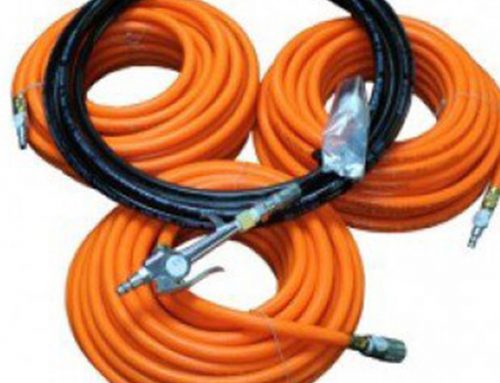
A negative air machine, HEPA vacuum, and agitation tools form the core setup for most commercial jobs, supplemented by hoses, brushes, and inspection cameras.
Can businesses lease duct cleaning machines instead of buying outright?
Yes. Financing or leasing arrangements are available for businesses that want ownership without paying the full purchase price upfront.
Is buying equipment worth it for a new duct cleaning business?
Only once contract volume is predictable. Many new operators start by renting to validate demand before committing capital to a purchase.
Conclusion
There’s no universal answer to buying versus renting duct cleaning equipment — the right structure depends on contract pipeline, crew size, and growth plans. Reviewing job volume over the past year is usually the fastest way to see which side of the breakeven point a business sits on.
Get the Right Setup for Your Business
Air-Care supports Middle East businesses on both sides of this decision, with Commercial Duct Cleaning Equipment for sale, flexible Equipment Rental options, Technical Training, spare parts, and after-sales maintenance support. Contact Us for expert consultation on selecting the right equipment for your contract volume.
Leave A Comment