Clients rarely ask for a chemical treatment by name. They ask for duct sanitization, whether before tenants move in, ahead of peak season or after a fit-out. For a contractor, that request is both a sales opportunity and a compliance question.
This guide shows how duct cleaning contractors in Middle East can handle it properly: mechanical cleaning first, accurate wording, a compliant approach to any treatment, moisture control so the result lasts, and clear records.
What Clients Mean by Duct Sanitization
In most enquiries, the word is shorthand for ducts that are clean, smell fresh, and stay that way. The contractor has to work with the precise terms. NADCA’s guidance on chemical products in HVAC systems separates sanitizers, disinfectants and deodorizers, and a product’s label decides which claims are allowed.
Under ACR, The NADCA Standard (2025 edition), source removal comes first. Chemical products support mechanical cleaning. They do not replace it.
When a Client Specifies a Sanitizing Treatment
Some commercial clients include an antimicrobial or sanitizing treatment in their HVAC hygiene requirements. Before including it in a quotation, verify four things:
- Local registration: in Dubai, Dubai Municipality’s Technical Guidelines for Biocides provide for registration through the Montaji system and include air conditioning systems among the usage areas. Requirements differ across the UAE, Saudi Arabia, Qatar, Oman, Bahrain and Kuwait.
- HVAC directions on the label: the EPA’s HVAC guidance advises against applying antimicrobial products in HVAC systems unless the label gives specific directions for that use.
- A matching claim: use the word sanitization only if the label supports it for the surfaces treated.
- Storage and handling: check the SDS and applicable regulations for storage, handling and transport.
Ask the supplier for the registration details, label, and SDS in writing. Healthcare, hospitality, and government clients often request them before approving work.
The Service Sequence
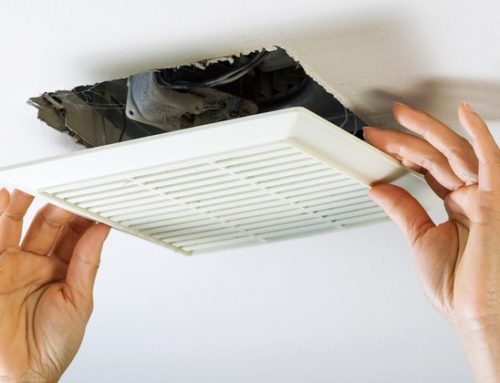
- Inspect: confirm the complaint, check coils, drain pans, condensate lines and ductwork, and photograph findings.
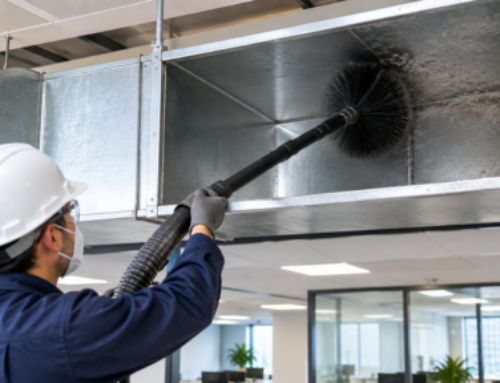
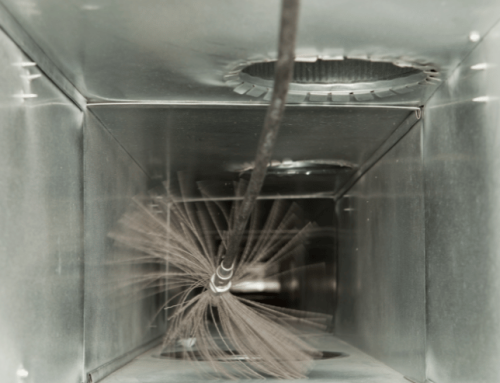
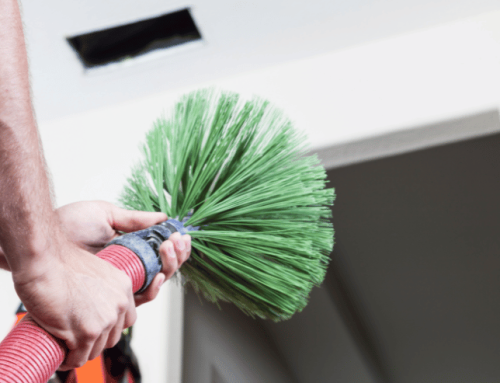
- Clean: remove debris mechanically with HEPA-filtered vacuum and agitation equipment.
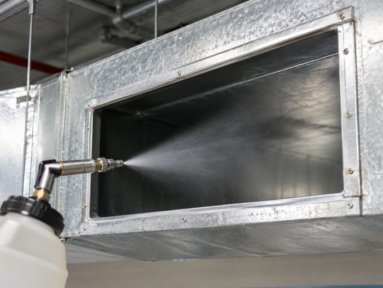
- Treat, only if specified: apply an approved product to cleaned surfaces, as its label directs.
- Dry: clear drainage, dry wet surfaces and bring humidity in the space under control.
- Document: log what was done, where, when and by whom.
Moisture Control: The Step That Makes Results Last
Moisture control is an important part of commercial HVAC cleaning and maintenance. After coil washing, water leaks or building maintenance work, excess moisture can contribute to recurring complaints and damp conditions. Long cooling seasons and coastal humidity in the GCC add to the risk.
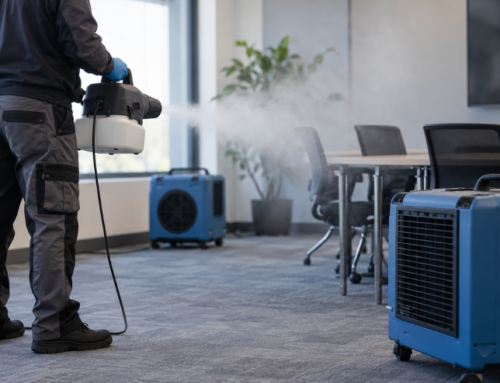
Commercial dehumidifiers help control ambient humidity during drying and restoration work. Typical uses include drying after washing or leaks, fit-out handovers, and vacant or closed-up units. Quote it per day or per area, with humidity readings before and after as the record.
One distinction matters: a room dehumidifier supports ambient moisture control. It does not dry the inside of ductwork on its own, so standing water and wet duct surfaces still need proper drainage and drying procedures.
Contractors do not need to buy the machines. Air-Care offers dehumidifiers through its equipment rental range, supporting work in commercial buildings, hotels, residential towers and large maintenance projects.
How to Quote and Package the Service
Name each step on the quotation. If a treatment is included, add the product name and its local registration reference. Keep claims the label does not support, such as “germ free” or virus claims, off quotes, invoices and marketing.
Three tiers keep the choice simple: cleaning only; cleaning plus drying and humidity control; or cleaning, drying and a specified treatment where an approved product is used. Price from labor, equipment days, any product used, PPE and margin. Annual maintenance contracts suit hotels, residential towers, and facility management portfolios.
Hand over before and after photos, humidity readings, the label and SDS where a product is used, and a job log. Follow label and SDS precautions, and coordinate application to minimize occupant exposure.
Frequently Asked Questions
What should I do when a client asks for duct sanitization?
Clean mechanically first, then add a treatment only if the product is registered locally and its label supports the claim. Quote each step separately.
Does sanitization replace mechanical duct cleaning?
No. NADCA identifies source removal as the best cleaning method. Chemical products support cleaning, and surface debris can reduce how well any product performs.
Is overseas approval enough to use a product in the UAE?
No. Local approval is separate. In Dubai, biocides are registered through Montaji, so confirm registration and permitted uses with your supplier and the relevant authority.
Why add dehumidification to a duct cleaning job?
Wet coils, pans and ducts allow growth to return. Dehumidifiers control room humidity during drying, while drainage and duct surfaces still need proper drying procedures.
Conclusion
Clients will keep asking for duct sanitization. Contractors who respond with thorough mechanical cleaning, a locally compliant approach to treatment, proper drying and clear records win the work without overpromising.
Air-Care Middle East supplies duct cleaning equipment across the GCC, with machines and dehumidifiers available on rental.
For documentation, pricing and availability
Email: info@air-care.me
Phone: +971503395025
Leave A Comment